Technical Pool Diagnostics · Buenos Aires

The amenity pool opens
with a party.
Two years later, no one
wants to touch the water.

Denludi provides structured technical diagnosis and recovery plans for community pools in residential buildings — so your consortium stops paying for three-month patches and starts addressing root causes.

What the diagnosis covers

Why new pools deteriorate so quickly

In Buenos Aires' newer residential towers, the pool is often the first amenity to show serious problems — and the last to receive proper technical attention.
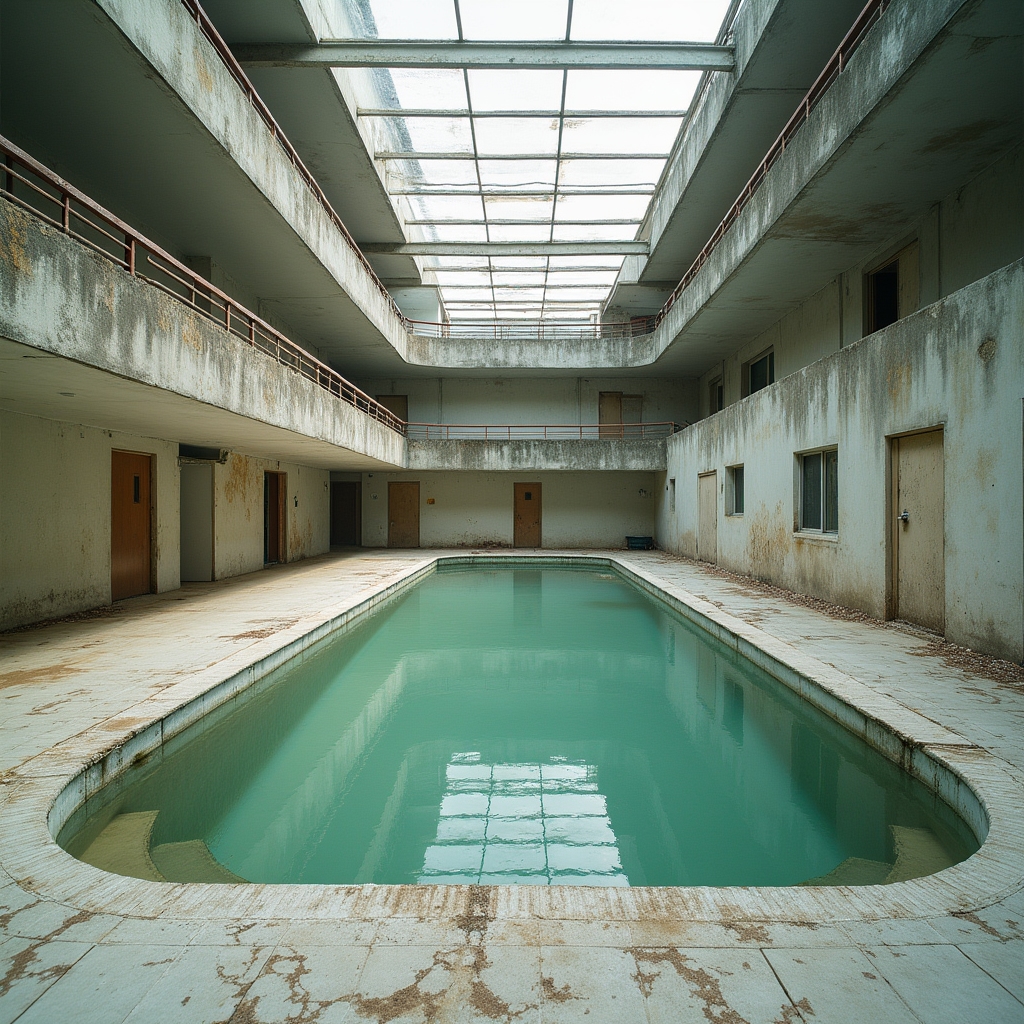
Deteriorated pool tiles in a Buenos Aires residential building

Visible damage is the late stage

By the time coatings peel, the underlying causes have been active for months

Root Cause

Incorrect water chemistry from day one

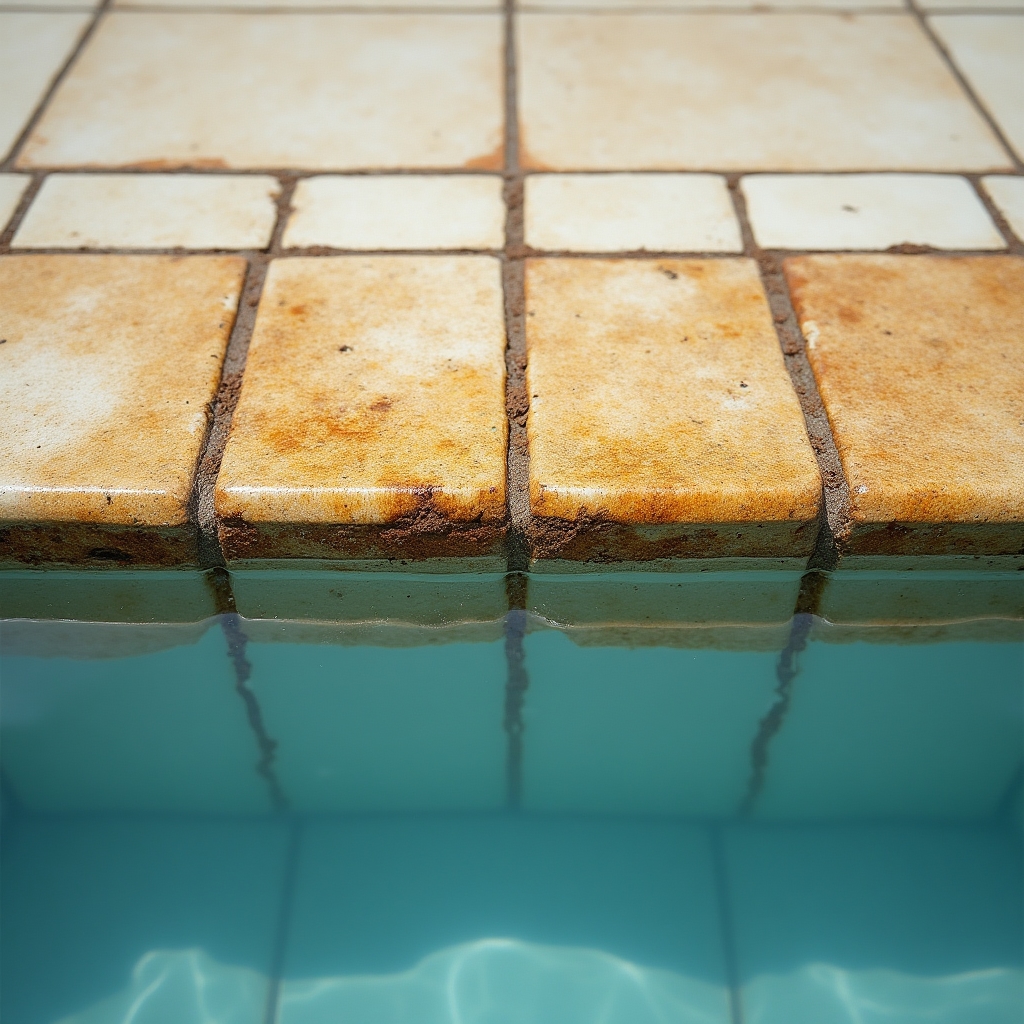
Unbalanced pH and alkalinity corrode plaster, grout, and metal fittings long before any visual sign appears. Most building staff are not trained to manage this.

Filtration that was never sized correctly

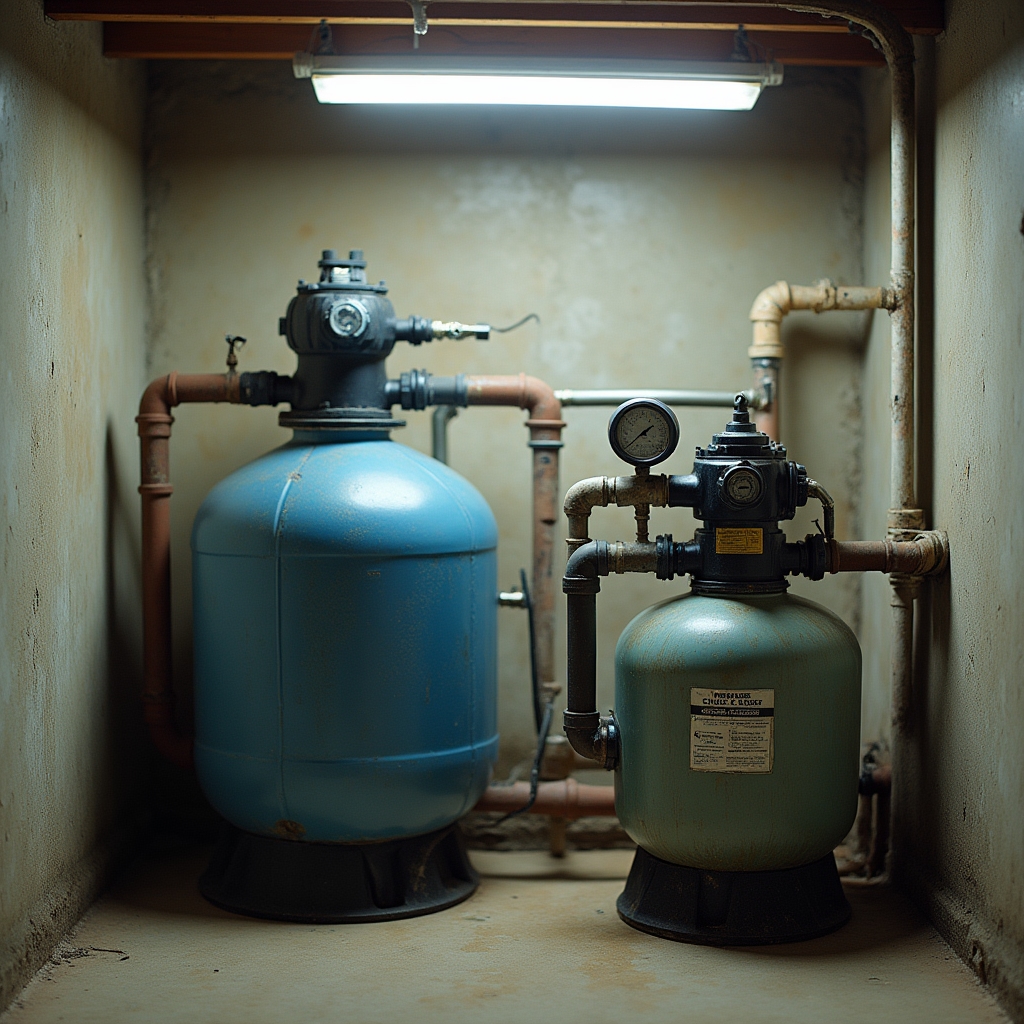
Developer-installed filtration systems are frequently undersized for the actual bather load. The result is persistent turbidity, biofilm, and chemical overconsumption.

Pattern

The patch cycle

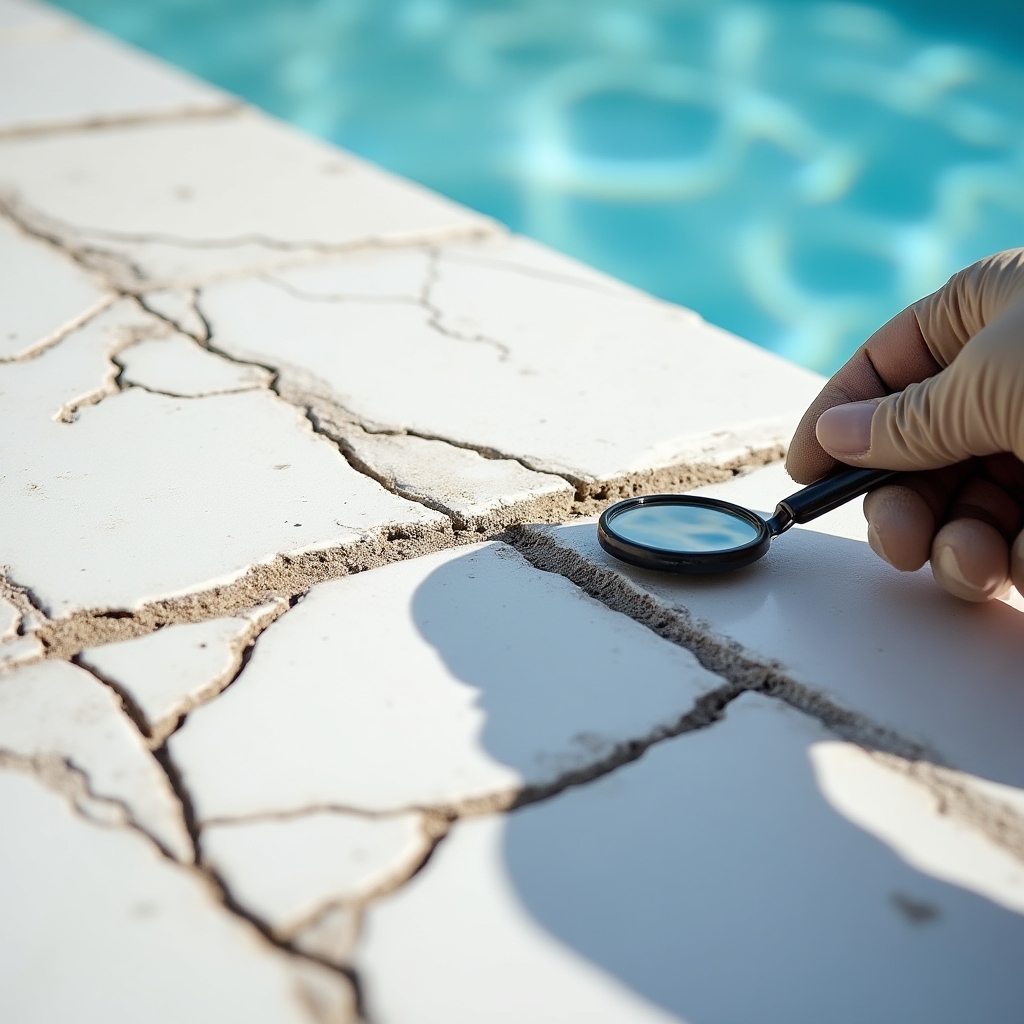
A contractor regroutes the visible cracks. Three months later the same cracks reappear. Without addressing water chemistry and structural movement, surface repairs are temporary by definition.

Who is responsible?

Consortiums often lack the technical knowledge to evaluate contractor proposals. Denludi provides an independent technical view — diagnosis first, then recommendations, with no material or construction interests.
A complete diagnostic framework

Each diagnosis follows a structured methodology covering the four interdependent systems that determine a pool's condition.

Water Chemistry Analysis

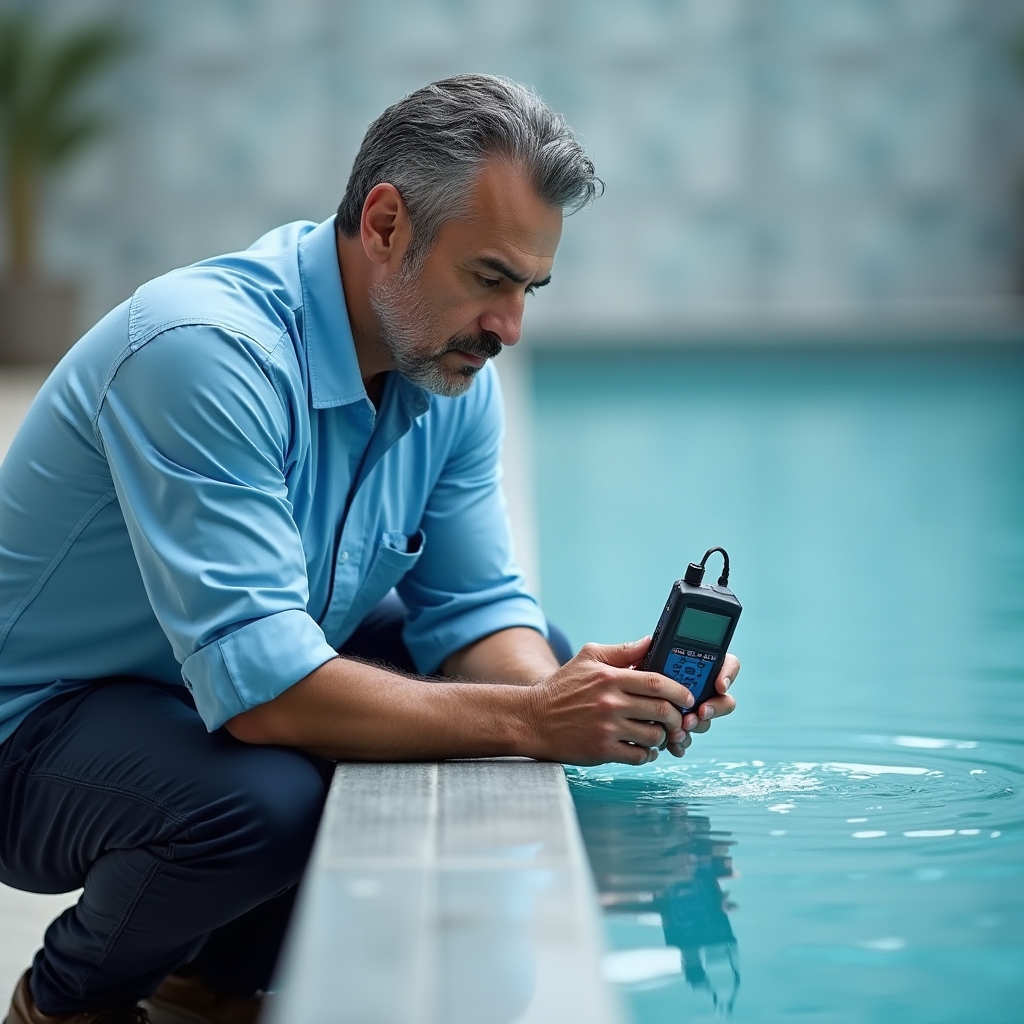
Comprehensive measurement of pH, free and combined chlorine, total alkalinity, calcium hardness, stabiliser, TDS, and microbiological load. Results interpreted in context of pool volume, usage, and local conditions.

Structural Shell Assessment

Visual and tactile inspection of the pool shell: plaster condition, tile adhesion, grout integrity, expansion joints, skimmer surrounds, and visible cracks. Identification of active vs. static movement.

Filtration & Circulation Review

Assessment of pump performance, filter media condition and sizing, flow rates, turnover time, backwash frequency, and plumbing configuration. Identifies under- or over-sized equipment.

Chemical Dosing Audit

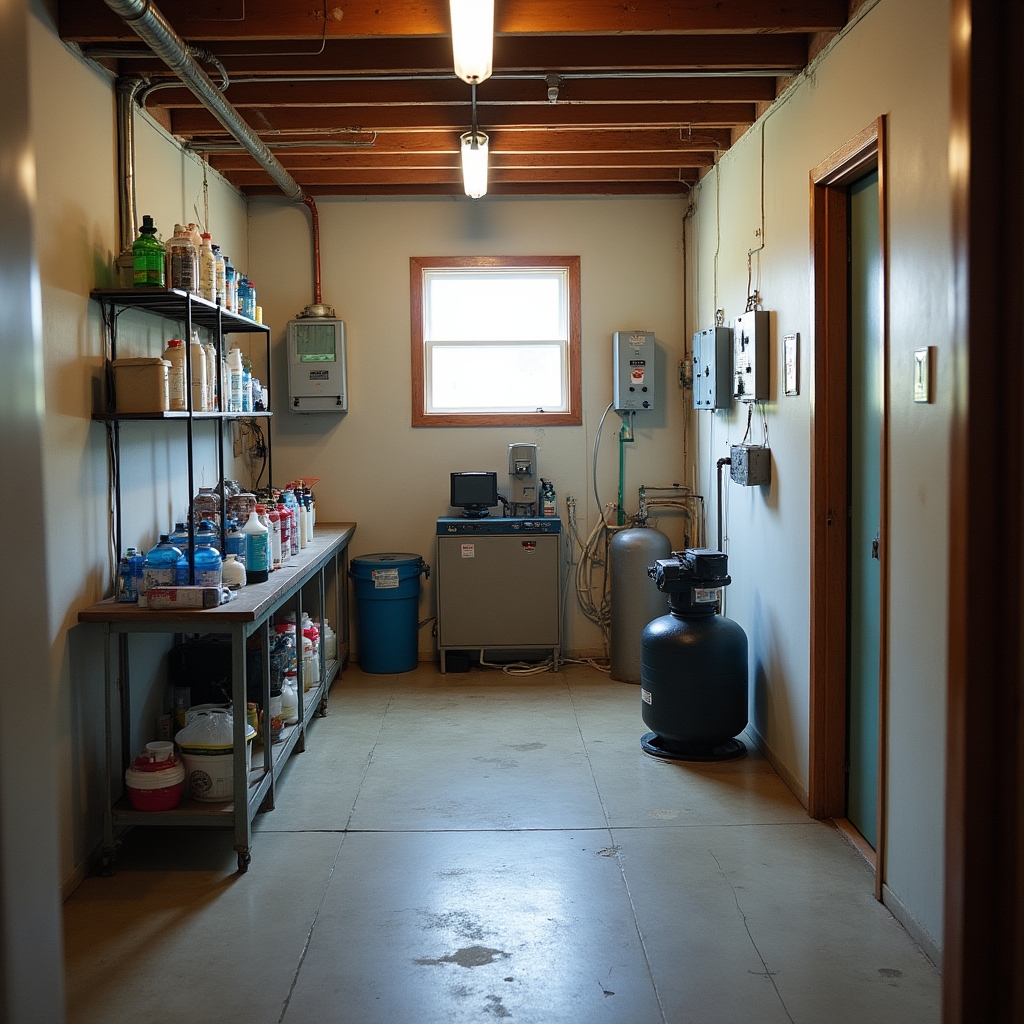
Review of dosing systems — automatic or manual — including calibration accuracy, chemical storage practices, feeder condition, and consistency of application. Identifies dosing errors that cause accelerated corrosion.

Prioritised Repair Budget

A written report organising all findings by urgency: immediate safety or compliance issues, medium-term structural interventions, and longer-term maintenance recommendations. Each item includes scope description and indicative cost range.

Consortium Briefing

A clear presentation of findings to the consortium committee or building administrator — in plain language, without technical jargon — so informed decisions can be made about which repairs to prioritise and when.

From first contact to written report

A straightforward process designed around the consortium's schedule and the building's specific situation.

1

Initial Consultation

We discuss the pool's history, current issues, and the consortium's concerns. No technical knowledge required on your part.

2

On-Site Inspection

A technician visits the building to conduct water sampling, structural inspection, and equipment assessment.

3

Laboratory Analysis

Water samples are analysed in a certified laboratory. Equipment data is cross-referenced with manufacturer specifications.

4

Written Report & Briefing

A complete written report is delivered with findings and a prioritised repair budget. We present it directly to the consortium.

What we typically find in residential pools

Across buildings in Buenos Aires, certain problems appear with notable regularity. Recognising them early changes the outcome significantly.

For Consortiums & Administrators

Request a technical diagnosis for your building

A structured assessment that tells you what is actually wrong, why it happened, and what needs to be addressed — in order of priority.

Schedule a Visit

Want to understand the process first?

Review a sample diagnostic report

See the structure, depth, and format of a Denludi diagnostic report before committing. Understand exactly what you would receive.

View Sample Report